post-war chaos period
21 items
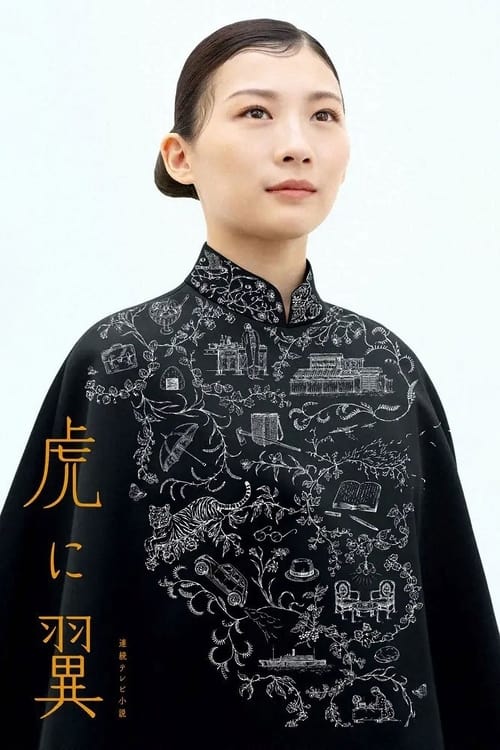
The Tiger and Her Wings
虎に翼
In the early Showa era, Japan’s first women’s law school opens, and the protagonist, Inotsume Tomoko (Ito Sairi), gains nationwide attention as one of the first female lawyers in the country. However, after facing wartime Japan’s harsh realities and losing everything, she becomes a judge with her legal knowledge and dedicates herself to establishing the family court. She stands passionately for the hardships that politics and economics cannot solve.
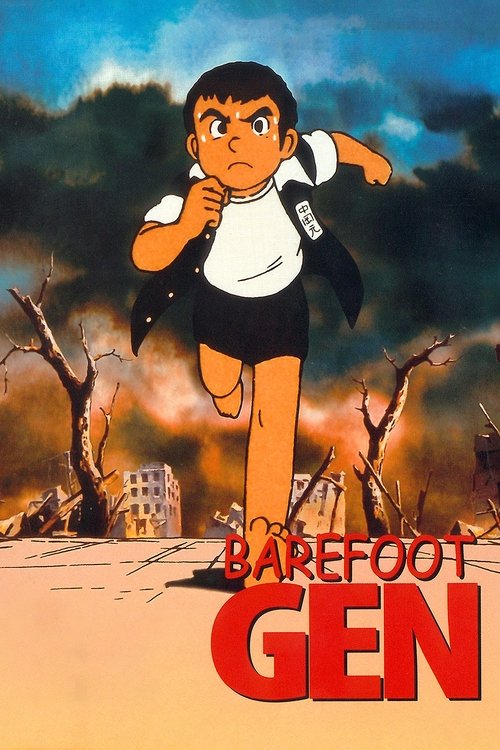
Barefoot Gen
はだしのゲン
A story about the effect of the atomic bombing of Hiroshima on a boy's life and the lives of the Japanese people.
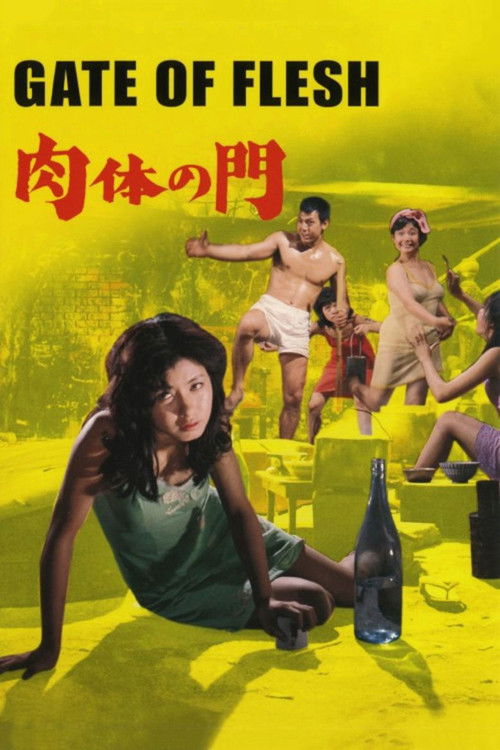
Gate of Flesh
肉体の門
In the shady black markets and bombed-out hovels of post–World War II Tokyo, a tough band of prostitutes eke out a dog-eat-dog existence, maintaining tenuous friendships and a semblance of order in a world of chaos. But when a renegade ex-soldier stumbles into their midst, lusts and loyalties clash, with tragic results. With Gate of Flesh, visionary director Seijun Suzuki delivers a whirlwind of social critique and pulp drama, shot through with brilliant colors and raw emotions.
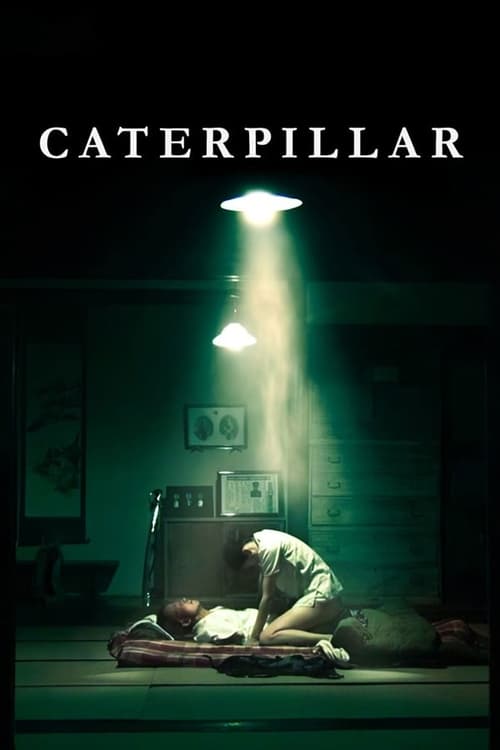
Caterpillar
キャタピラー
The story of a village woman given the grueling task of looking after (and fulfilling the sexual needs of) her quadruple amputee husband, a Japanese soldier in the Second Sino-Japanese War who has been decreed a "War God" by the Emperor.

Gate of Flesh
肉体の門
Prostitutes in burnt out Tokyo ghetto of post-WWII Japan peddle their flesh and save one-third of their money for a proposed dancehall to be named Paradise. The hookers live in a bombed-out building, but they accept the precarious situation with typical resolve.
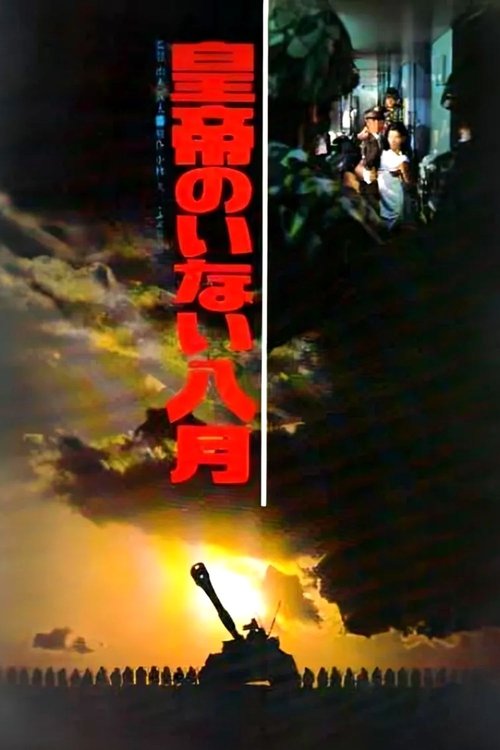
August Without Emperor
皇帝のいない八月
Taking the Chilean coup as an example, a group of young officers plan to overthrow the Japanese government on V-J Day. They aim to abolish the post-war constitution, restore the national army and revive the traditional spirit of Japan. As the conspiracy is exposed, the coup squadrons are wiped out one by one. The remaining squadron takes over a night train bound for Tokyo.
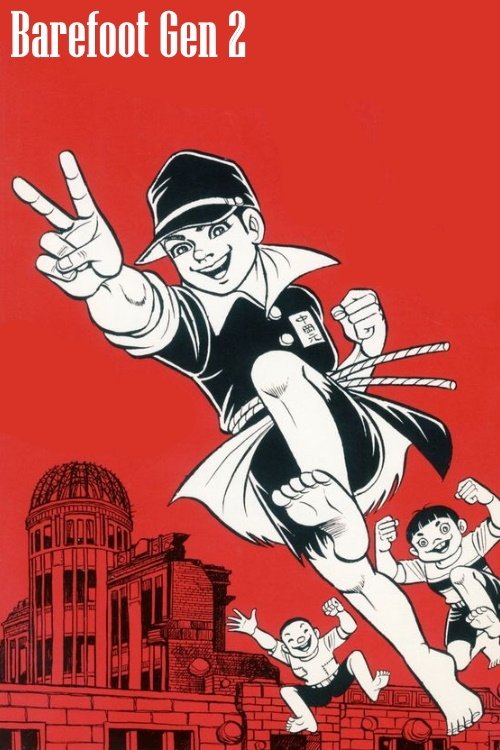
Barefoot Gen 2
はだしのゲン2
Three years after the Hiroshima bombing, a teenager helps a group of orphans to survive and find their new life.
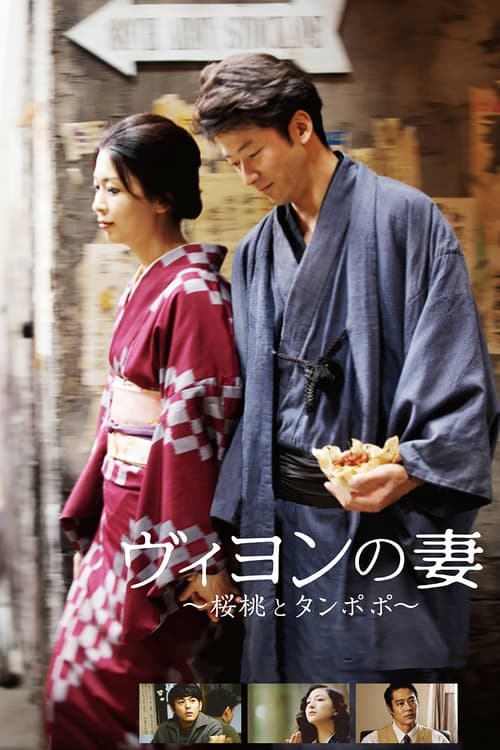
Villon's Wife
ヴィヨンの妻 〜桜桃とタンポポ〜
This enticing period melodrama depicts a long-suffering woman's relationship with her brilliant but self-destructive writer husband in postwar Tokyo. Based on a semi-autobiographical 1947 novel by Osamu Dazai, the story centers less on the womanizing, heavy-drinking, suicidal hero than on the wife who loves him. Written by Palm Springs International Film Festival
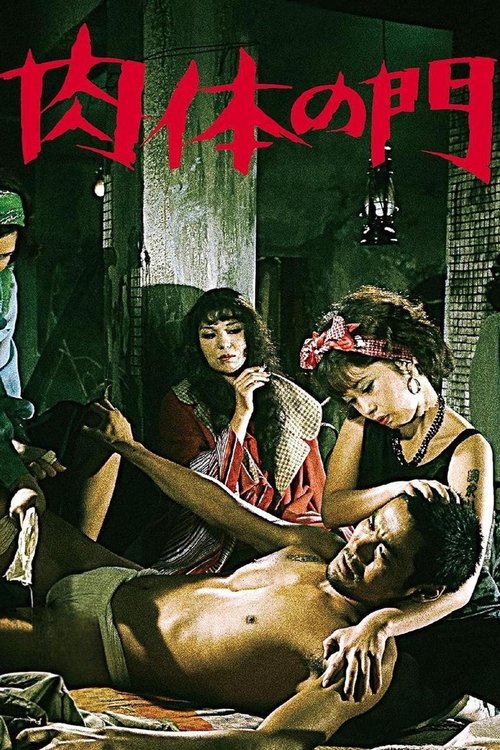
Gate of Flesh
肉体の門
The background is Yuraku-cho in Tokyo and the film shows how desperately the women, who had led sheltered lives before the war, struggled to keep alive and the innate strength of post-war women.
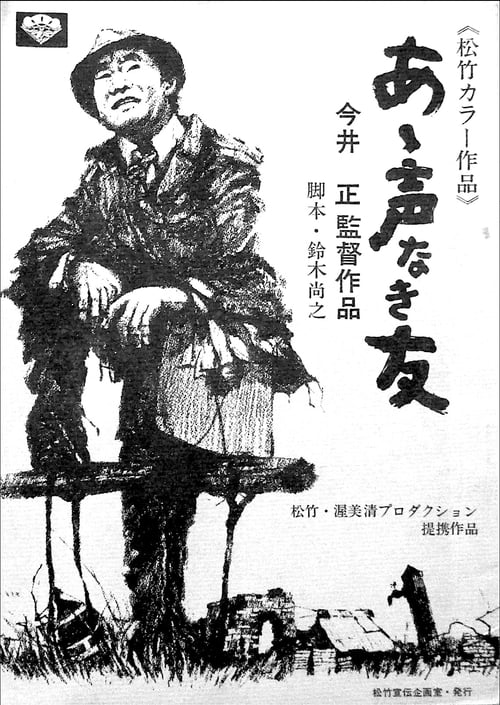
My Voiceless Friends
あゝ声なき友
A man who survived the war carries the will of his comrades in arms, walking across the country visiting the bereaved families.

Shadow of Fire
ほかげ
In the black market, a war orphan is confronted with the struggles of people living in the immediate aftermath of WWII.

A Hen in the Wind
風の中の牝鶏
Tokiko patiently awaits her husband's return from WWII when her four-year old son falls ill. She takes him to the doctor but has no means of paying, so she resorts to prostitution. A month later, her husband returns to find his desperate wife, who tells him the truth. Together, they must deal with the consequences.
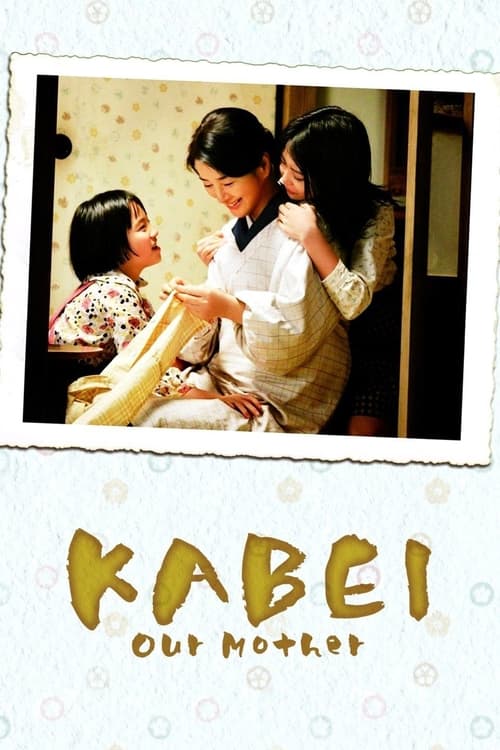
Kabei: Our Mother
母べえ
Set in Tokyo in 1940, the peaceful life of the Nogami Family suddenly changes when the father, Shigeru, is arrested and accused of being a Communist. His wife Kayo works frantically from morning to night to maintain the household and bring up her two daughters with the support of Shigeru's sister Hisako and Shigeru's ex-student Yamazaki, but her husband does not return. WWII breaks out and casts dark shadows on the entire country, but Kayo still tries to keep her cheerful determination, and sustain the family with her love. This is an emotional drama of a mother and an eternal message for peace.
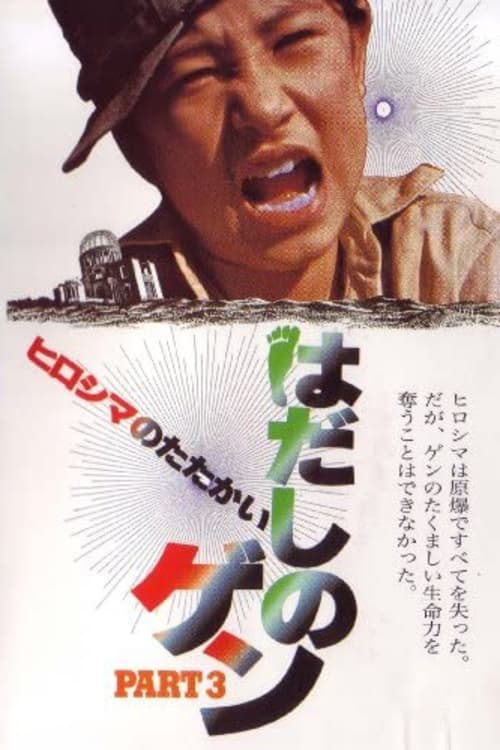
Barefoot Gen Part 3: Battle of Hiroshima
はだしのゲン PART3 ヒロシマのたたかい
Second live action "Barefoot Gen" sequel.

Barefoot Gen
はだしのゲン
First live action adaptation of Keiji Nakazawa's manga.
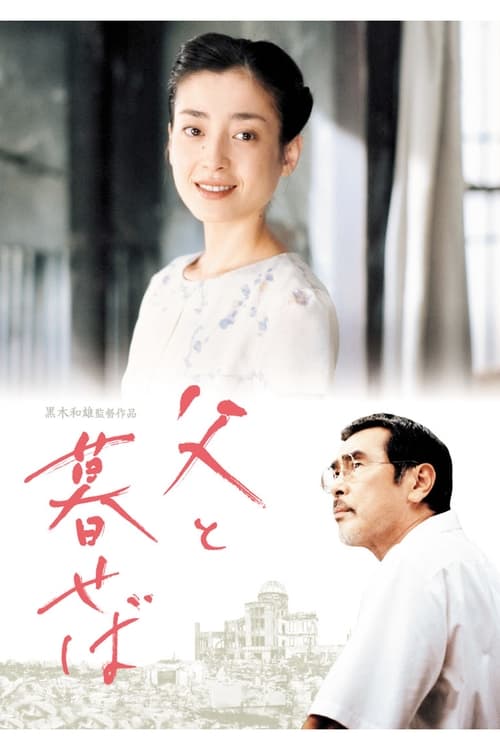
The Face of Jizo
父と暮せば
Based on a play by Hisashi Inoue, it focuses on the sufferings of the survivors of Hiroshima. The film takes place during 4 days in the summer of 1948, as the ghost of her father visits Mitsué (Rié Miyama). He had somehow learned that she has fallen in love, and tries to convince her to start her new life. But Mitsué obstinately refuses his warm and humorous encouragements : « People were killed in my place. I do not have the right to find happiness », she says.

Barefoot Gen: Explosion of Tears
はだしのゲン 涙の爆発
First live action "Barefoot Gen" sequel.
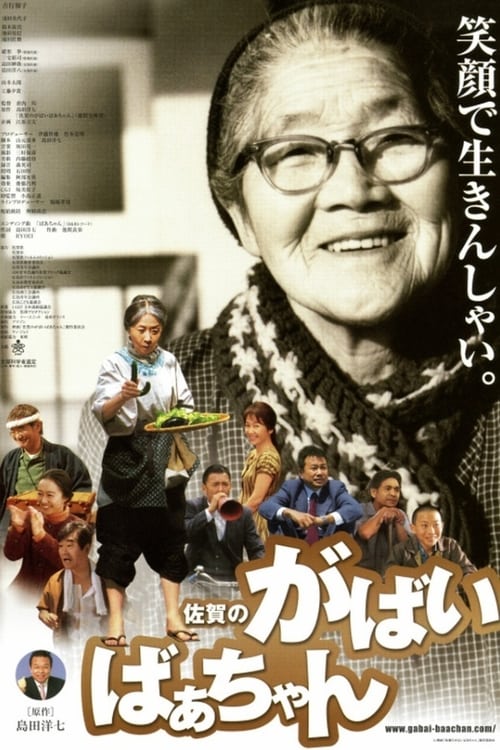
Granny Gabai
佐賀のがばいばあちゃん
Gabai Granny is based on the bestseller Saga No Gabai Baachan (Gabai Granny from Saga), which is penned by comedian Shimada Yoshichi as he recounts his childhood memories of growing up under the care of his grandmother.
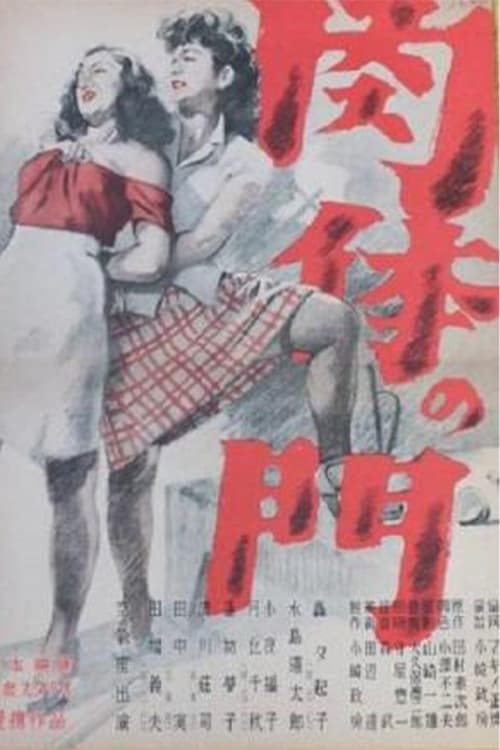
Gate of Flesh
肉体の門
A pickpocket falls in with a group of prostitutes who have one strict rule: none of them may ever sleep with a man without taking his money — falling in love is forbidden.
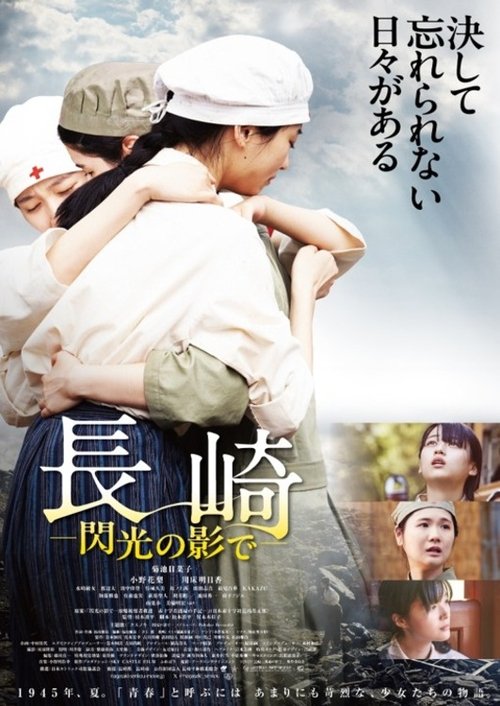
Nagasaki: In the Shadow of the Flash
長崎―閃光の影で―
Nagasaki, 1945. Three nursing students, Tanaka Sumi, Ohno Atsuko, and Iwanaga Misao, return home when school is closed due to air raids, and spend some peaceful time with family and friends. However, at 11:02 AM on August 9th, the atomic bomb is dropped, and their daily lives are instantly shattered. The city is reduced to ruins, and despite their inexperience, the nursing students rush to provide medical care to the injured. Faced with the cruel reality that more lives must be buried than can be saved, the women continue to question the value and meaning of life.
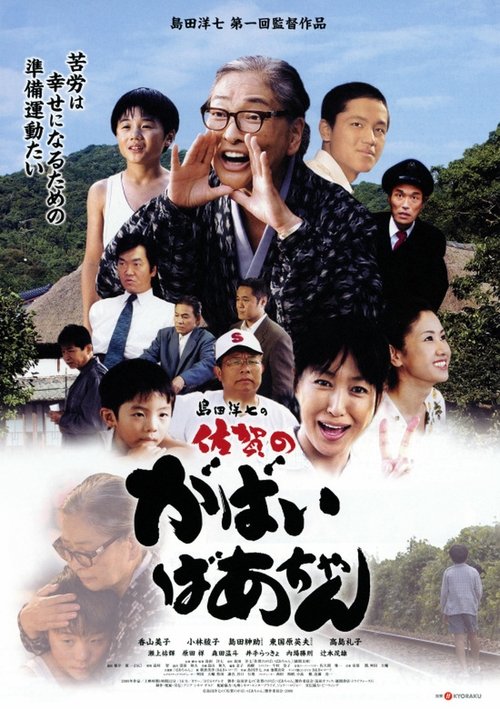
佐賀のがばいばあちゃん
A film adaptation of the great hit memoir of Shimada Yoshichi 'Saga no Gabai Bachan' which sold a total of 6.7 million copies for the entire series. He directed and wrote the script for this film. This tear-jerking and side-splitting work depicts the days of a boy and his "gabai (amazing)" grandmother who overcomes poverty with her bright nature and witty words. In 1958, first grader Akihiro (Morita Haruto) is sent to live with his grandmother (Kayama Yoshiko) in Saga Prefecture as his family struggles financially. He is initially bewildered by the unfamiliar countryside life, but grows into an energetic boy with the help of his lively grandmother.